 Skip to content
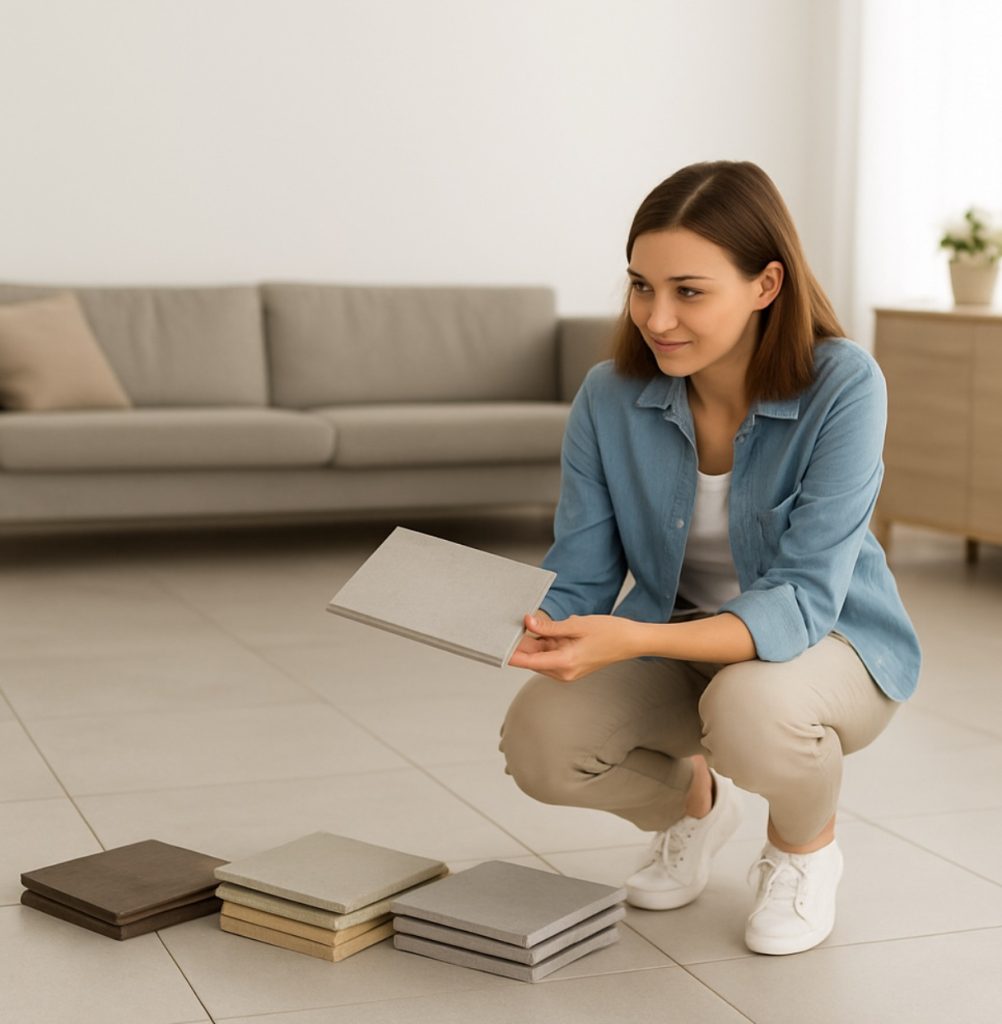
If you’re planning a home renovation or building your first home, you’ve probably heard of vitrified tiles. The name sounds technical—but don’t worry, you don’t need to be an architect or interior designer to understand what they are and why they’ve become so popular.
Let’s break it down in simple, everyday language so that even if this is your first time choosing flooring, you can make a confident decision.
What Are Vitrified Tiles?
Imagine a regular tile—now imagine one that’s stronger, shinier, and more water-resistant. That’s a vitrified tile.
In simple terms:
A vitrified tile is a special type of tile that is baked in such a way that it becomes super hard, almost waterproof, and highly durable.
Think of it like this:
🧽 Regular ceramic tile = a sponge (can absorb water)
🧊 Vitrified tile = a glass plate (doesn’t absorb water)
That’s the magic of vitrified tiles—they’re like the “glass version” of tiles, sleek and solid.
How Are Vitrified Tiles Made?
Let’s imagine baking a pizza.
If you bake it just right, it gets a firm, crispy base. Now imagine mixing clay, quartz, and a few special minerals—then baking that mix at very high temperatures.
That high-heat baking process is called vitrification, which is where the tile gets its name. This process melts the materials slightly, sealing all the tiny holes and turning it into a non-porous, hard surface.
So, vitrified tiles:
Don’t soak up water or stains Are more scratch-resistant And last much longer than regular tiles
Why Are Vitrified Tiles So Popular?
Here’s why so many homeowners and professionals are choosing vitrified tiles:
Super Durable
They can handle heavy foot traffic, dragging furniture, kids running around, and even the occasional dropped pan—without cracking or fading.
Easy to Clean
Just a wipe with a mop or cloth and it’s clean. Stains don’t stick, and there’s no need for fancy cleaning products.
Water Resistant
Perfect for areas where spills or moisture are common—like kitchens and bathrooms.
Modern & Stylish
They come in hundreds of designs, including ones that look like wood, stone, marble, or even cement.
Low Maintenance
No need to polish or seal every year. Once installed, you can mostly forget about them.
Cost-Effective Over Time
They may be slightly more expensive than regular ceramic tiles upfront, but they last longer and need less repair, which saves money in the long run.
Where Can You Use Vitrified Tiles?
Let’s look at the best spots to use vitrified tiles in your home or project:
Kitchen Flooring
Spills, stains, oil splashes? No problem. Easy to clean and won’t stain easily. Use matte or textured tiles for better grip, so you won’t slip if the floor gets wet.
Bathroom Flooring
Vitrified tiles resist water, making them perfect for wet zones. Go for anti-skid/matte finish tiles to avoid slippery surfaces.
Living Room and Bedroom
Use glossy vitrified tiles for a bright, spacious look. They reflect light beautifully and give a luxurious finish.
Commercial Spaces
Offices, shops, and restaurants benefit from vitrified tiles because they handle foot traffic well and stay looking new for years.
Balcony and Outdoor Areas
Use textured, anti-skid vitrified tiles designed for exteriors. They handle weather changes well and don’t fade easily.
Things to Keep in Mind
Even though vitrified tiles are fantastic, here are a few things to be aware of:
Glossy vitrified tiles can be slippery when wet, especially in bathrooms. Always go for matte or textured tiles in wet areas. Installation requires skill—make sure to hire experienced tile layers. Heavier than ceramic tiles, so a strong floor base is needed in some projects.
Final Verdict: Are Vitrified Tiles the Right Choice for You?
If you want flooring that is beautiful, durable, easy to clean, and long-lasting, vitrified tiles are a smart, modern choice.
They’re perfect for:
First-time homeowners looking for low-maintenance solutions Families with kids or pets People who want the look of marble or wood without the hassle Renovation projects that need fast, clean flooring installation
🧩 Pro Tip:
When visiting a tile store, ask to see “glossy” and “matte vitrified tiles”. Touch them and feel the product , and compare how they feel. Choose based on where you’re installing them—glossy for style, matte for safety.
