 Skip to content
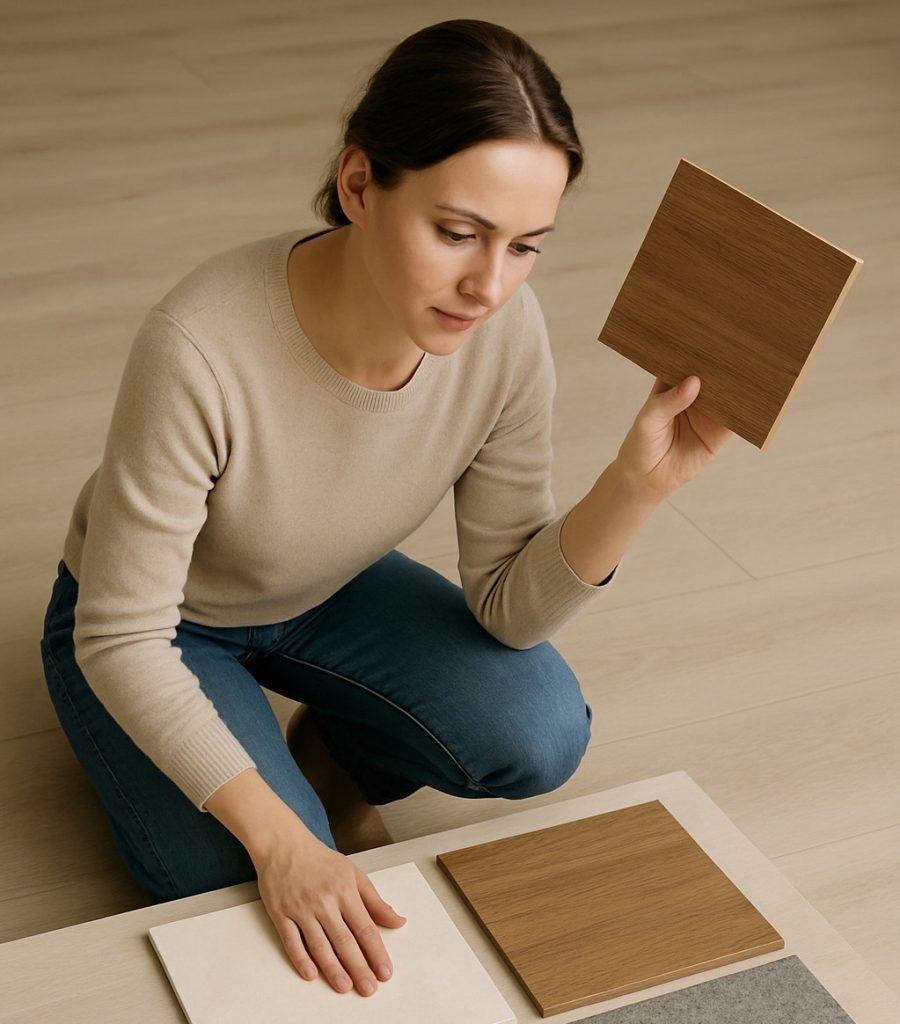
Feeling overwhelmed by tile options? You’re not alone. From sizes and finishes to durability ratings and designs, choosing the right floor tile can feel confusing — especially if it’s your first time. But don’t worry — this guide will walk you through everything you need to know, in simple terms.
Whether you’re building a new home or renovating a space, this guide will help you make confident, informed choices that blend style, safety, and practicality.
Step 1: Understand Room-Specific Needs
Each room in your home has a different purpose, and the floor tiles should be selected accordingly.
For living rooms, go for large-sized vitrified tiles with a glossy or polished finish to create a bright, elegant space. In bedrooms, comfort and warmth matter more — matt-finish tiles or wooden-look tiles add a cozy and relaxing feel. In the kitchen, safety and easy cleaning are key. Choose anti-skid tiles with a matt or textured surface that resist stains and provide grip. Bathrooms require extra care — use anti-skid ceramic or vitrified tiles in smaller sizes for better drainage and safety. For balconies or outdoor areas, go for rough-textured, weather-resistant tiles that can handle moisture and outdoor exposure.
By understanding the use and environment of each room, you can choose tiles that not only look good but also serve their purpose well.
Step 2: Choose the Right Tile Material
There are several types of floor tile materials, and each one comes with its own pros and cons:
Ceramic tiles are affordable, easy to clean, and come in many designs. They’re ideal for bedrooms or low-traffic areas. Porcelain tiles are denser and more water-resistant than ceramic. They are a good choice for kitchens, living rooms, and bathrooms. Vitrified tiles are highly durable, scratch-resistant, and polished. These are perfect for high-traffic areas and modern homes. Natural stone tiles like marble and granite give a luxurious, premium feel but require regular maintenance. Ideal for large, open areas. Terracotta tiles have a rustic charm and are breathable, often used in traditional or semi-outdoor spaces like verandas or balconies.
Selecting the right material depends on your budget, design preference, and how much traffic or moisture the area will face.
Step 3: Check for Durability and Ratings
Look for tile strength and durability labels like:
PEI Rating (Porcelain Enamel Institute): Ranges from 1 to 5 — choose 3 or above for home flooring. MOH’s Hardness Scale: 5+ is good for floor tiles. Scratch and stain resistance for kitchens and heavy-use areas.
Step 4: Water and Slip Resistance
Use R-rated tiles (e.g., R10, R11) in wet areas like bathrooms, utility rooms, and balconies. Matt or textured tiles are safer in moisture-prone zones. For dry areas like bedrooms, glossy tiles are okay.
Step 5: Consider Maintenance Needs
Glossy tiles are easy to clean but can show stains more. Matt tiles hide dust better but may need regular mopping. Avoid heavily textured surfaces in kitchens — they trap grease. Natural stone needs periodic sealing and care.
Step 6: Keep Budget and Long-Term Value in Mind
Tile prices vary widely:
Basic ceramic tiles: ₹30–₹60/sq.ft. Vitrified tiles: ₹60–₹150/sq.ft. Designer or large-format tiles: ₹150–₹300+/sq.ft. Natural stone: ₹250–₹600+/sq.ft.
Consider not just price per sq.ft., but durability, warranty, and laying costs too.
Step 7: Match Colors and Designs with Home Décor
Light shades = bigger, brighter rooms Warm tones = cozy bedrooms Bold patterns = accent areas only (avoid full flooring) Neutral tones like beige, grey, or ivory = timeless elegance
Design Tip: If your walls or furniture are bold, go with neutral flooring and vice versa.
Step 8: Factor in Installation Complexity
Large-format tiles = fewer joints, but need skilled laying Small tiles = better for slopes and drainage (bathrooms) Uneven surfaces may require leveling before tile work Always insist on spacer joints and good grouting to avoid cracks
🌦️ Step 9: Think About Climate and Environment
In hot regions, cool-toned tiles or natural stone keep floors comfortable. In humid areas, avoid porous tiles — go for vitrified or porcelain. For hill stations or rainy zones, use rough, anti-skid finishes.
🚶 Step 10: Estimate Foot Traffic Levels
Heavy traffic (hallways, kitchens, living rooms): Choose durable, stain-resistant tiles. Low traffic (bedrooms, pooja rooms): You can experiment with delicate or decorative tiles.
🚫 Common Pitfalls to Avoid
❌ Choosing wall tiles for floors (they’re thinner and less durable)
❌ Ignoring anti-skid needs in bathrooms
❌ Going purely by looks and ignoring maintenance
❌ Not buying extra tiles for future repairs (buy 5-10% extra)
📞 When to Consult a Professional
While this guide will help you make smart decisions, it’s always wise to:
Ask a tile expert for technical guidance Visit a showroom and see samples in real lighting Check with your mason/contractor before buying large-format or special finish tiles
Final Takeaway
Choosing the right floor tile is about balancing style, strength, and safety. By understanding your room’s needs, comparing materials, and being clear on your priorities — you’ll avoid common mistakes and make a smart, long-lasting investment for your home.
Need help choosing the best tile for your space?
👉 Visit tilexpert.in or contact our tile specialists for expert advice tailored to your needs.
